How a Podiatrist Can Help With Achilles Tendon Injuries

Achilles tendon injuries can cause pain and stiffness at the back of the ankle. The Achilles tendon is the strong band of tissue that connects the calf muscle to the heel. One condition affecting this area is Achilles tendinopathy, sometimes called tendinitis. Symptoms can develop gradually or appear suddenly. Patients can notice swelling, tenderness, or mild warmth around the tendon. Pain can become worse with movement or exercise. Stiffness can be stronger in the morning or after resting, while reduced ankle strength can make normal movement more difficult.

Achilles tendinopathy can affect both active and inactive people. A sudden increase in exercise can place more stress on the tendon than it is prepared to handle. Starting a new sport or increasing training intensity can have a similar effect. Long periods of standing can also contribute. Wearing shoes that fit poorly or are not suited to an activity can place added stress on the foot and ankle. Other factors linked with Achilles tendon problems include smoking, excess body weight, and certain health conditions. Understanding the source of the strain can help guide treatment and reduce continued stress on the tendon.

A podiatrist can evaluate an Achilles tendon injury by examining the painful area and checking foot and ankle movement. The assessment can also look at strength, walking patterns, and activities that increase symptoms. Treatment can focus on reducing strain while supporting healthy movement and tendon function. A podiatrist can recommend activity changes, targeted exercises, or shoe modifications based on the patient's condition. Care can also address foot mechanics that place extra pressure on the Achilles tendon. Persistent symptoms or worsening pain deserve a professional evaluation. If you have an Achilles tendon injury, it is suggested that you schedule an appointment with a podiatrist for a diagnosis and  appropriate treatment.

Achilles tendon injuries need immediate attention to avoid future complications. If you have any concerns, contact one of our podiatrists of Comprehensive Footcare Clinic - Hawaii. Our doctors can provide the care you need to keep you pain-free and on your feet.

What Is the Achilles Tendon?

The Achilles tendon is a tendon that connects the lower leg muscles and calf to the heel of the foot. It is the strongest tendon in the human body and is essential for making movement possible. Because this tendon is such an integral part of the body, any injuries to it can create immense difficulties and should immediately be presented to a doctor.

What Are the Symptoms of an Achilles Tendon Injury?

There are various types of injuries that can affect the Achilles tendon. The two most common injuries are Achilles tendinitis and ruptures of the tendon.

Achilles Tendinitis Symptoms

  • Inflammation
  • Dull to severe pain
  • Increased blood flow to the tendon
  • Thickening of the tendon

Rupture Symptoms

  • Extreme pain and swelling in the foot
  • Total immobility

Treatment and Prevention

Achilles tendon injuries are diagnosed by a thorough physical evaluation, which can include an MRI. Treatment involves rest, physical therapy, and in some cases, surgery. However, various preventative measures can be taken to avoid these injuries, such as:

  • Thorough stretching of the tendon before and after exercise
  • Strengthening exercises like calf raises, squats, leg curls, leg extensions, leg raises, lunges, and leg presses

If you have any questions please feel free to contact our office located in Honolulu, HI . We offer the newest diagnostic tools and technology to treat your foot and ankle needs.

Read more about The Causes, Types, and Treatments of Achilles Tendon Injuries

Dealing With the Pain of Gout

Gout is a form of arthritis that causes sudden, intense joint pain that can make even light pressure difficult to tolerate. It develops when tiny crystals made of uric acid collect inside a joint and trigger inflammation. Gout most often affects the base of the big toe, but it also affects the midfoot, ankle, or other joints in the foot. Uric acid is a substance that the kidneys usually remove from the body. When too much uric acid builds up, crystals form and irritate the joint. An attack usually begins without warning. The affected joint becomes swollen, red, warm, and extremely painful. As the swelling improves, the skin around the joint sometimes begins to peel.

Several factors increase the risk of developing gout. The kidneys play an important role because they remove uric acid from the bloodstream. When they do not remove enough, uric acid levels rise and crystals develop. Risk factors include being overweight, drinking large amounts of alcohol, and eating excessive amounts of foods high in purines. Purines are natural substances that break down into uric acid. Certain medicines also raise uric acid levels. After one attack, many patients experience additional flare-ups. These attacks become more frequent and affect more than one joint. Repeated inflammation can damage joints and make walking more difficult.

A podiatrist can diagnose gout by reviewing your symptoms, examining the affected foot, and ordering imaging studies or laboratory testing when appropriate. Early diagnosis helps distinguish gout from infections, fractures, or other forms of arthritis. Treatment focuses on reducing pain, controlling inflammation, and protecting the affected joint. A podiatrist also monitors changes in the foot and recommends better foot support to reduce stress on painful joints. Prompt care improves mobility and reduces the risk of lasting joint problems. If you have symptoms of gout, it is suggested that you promptly schedule an appointment with a podiatrist for effective relief and treatment solutions.

Gout is a painful condition that can be treated. If you are seeking treatment, contact one of our podiatrists from Comprehensive Footcare Clinic - Hawaii. Our doctors will treat your foot and ankle needs.

What Is Gout?

Gout is a form of arthritis that is characterized by sudden, severe attacks of pain, redness, and tenderness in the joints. The condition usually affects the joint at the base of the big toe. A gout attack can occur at any random time, such as the middle of the night while you are asleep.

Symptoms

  • Intense Joint Pain - Usually around the large joint of your big toe, and it most severe within the first four to twelve hours
  • Lingering Discomfort - Joint discomfort may last from a few days to a few weeks
  • Inflammation and Redness -Affected joints may become swollen, tender, warm and red
  • Limited Range of Motion - May experience a decrease in joint mobility

Risk Factors

  • Genetics - If family members have gout, you’re more likely to have it
  • Medications - Diuretic medications can raise uric acid levels
  • Gender/Age - Gout is more common in men until the age of 60. It is believed that estrogen protects women until that point
  • Diet - Eating red meat and shellfish increases your risk
  • Alcohol - Having more than two alcoholic drinks per day increases your risk
  • Obesity - Obese people are at a higher risk for gout

Prior to visiting your podiatrist to receive treatment for gout, there are a few things you should do beforehand. If you have gout you should write down your symptoms--including when they started and how often you experience them, important medical information you may have, and any questions you may have. Writing down these three things will help your podiatrist in assessing your specific situation so that he or she may provide the best route of treatment for you.

If you have any questions, please feel free to contact our office located in Honolulu, HI . We offer the newest diagnostic and treatment technologies for all your foot care needs.

Read more about Gout

Why Live with Pain and Numbness in Your Feet?

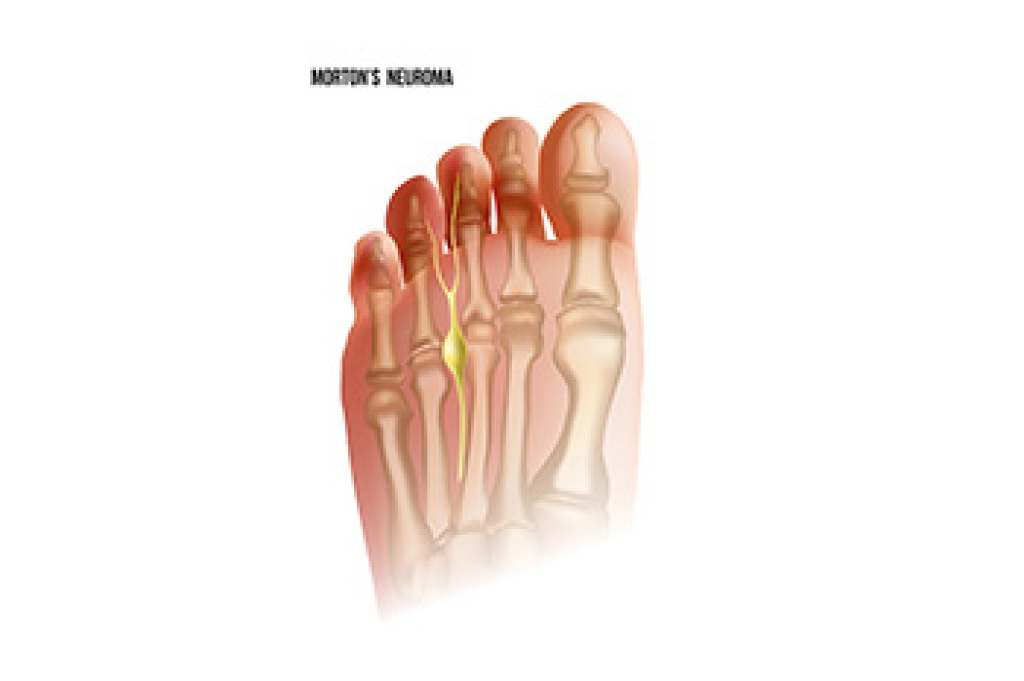
Suffering from this type of pain? You may have the foot condition known as Morton's neuroma. Morton's neuroma may develop as a result of ill-fitting footwear and existing foot deformities. We can help.

How a Podiatrist Can Help Relieve Heel Pain

Heel pain is one of the most common foot problems and can make walking, standing, or exercising uncomfortable. The pain may begin gradually or appear suddenly, depending on the underlying cause. Conditions that can contribute to heel pain include plantar fasciitis, Achilles tendon disorders, and heel pad syndrome. Other causes include stress fractures or nerve irritation. Symptoms may include aching, sharp pain, or tenderness near the bottom or back of the heel. Some people notice discomfort with their first steps after resting, while others experience pain that worsens during activity. Because many conditions can produce similar symptoms, a professional evaluation is important to determine the exact cause and recommend the most appropriate treatment.


The heel absorbs significant force with every step, making it vulnerable to repeated stress and overuse. Persistent heel pain can affect the way a person walks, placing additional strain on nearby joints and soft tissues. This may lead to discomfort in the ankle, knee, or hip. A thorough examination helps identify which structures are involved and whether inflammation, tissue injury, or another condition is responsible for the symptoms. In some cases, imaging studies may be recommended to confirm the diagnosis. Identifying the source of heel pain early allows treatment to begin before the condition becomes more severe or limits daily activities.


A podiatrist specializes in diagnosing and treating heel pain by evaluating foot structure, walking mechanics, and overall function. Treatment is tailored to the underlying condition and focuses on relieving pain, improving mobility, and restoring normal foot function. Early podiatry care may also help reduce stress on surrounding tissues and lower the risk of ongoing problems. Regular follow-up exams allow progress to be monitored and treatment to be adjusted when needed. If heel pain is affecting your ability to walk or participate in daily activities, it is suggested that you consult a podiatrist for an evaluation and appropriate treatment options.

Many people suffer from bouts of heel pain. For more information, contact one of our podiatrists of Comprehensive Footcare Clinic - Hawaii. Our doctors can provide the care you need to keep you pain-free and on your feet.

Causes of Heel Pain

Heel pain is often associated with plantar fasciitis. The plantar fascia is a band of tissues that extends along the bottom of the foot. A rip or tear in this ligament can cause inflammation of the tissue.

Achilles tendonitis is another cause of heel pain. Inflammation of the Achilles tendon will cause pain from fractures and muscle tearing. Lack of flexibility is also another symptom.

Heel spurs are another cause of pain. When the tissues of the plantar fascia undergo a great deal of stress, it can lead to ligament separation from the heel bone, causing heel spurs.

Why Might Heel Pain Occur?

  • Wearing ill-fitting shoes                
  • Wearing non-supportive shoes
  • Weight change           
  • Excessive running

Treatments

Heel pain should be treated as soon as possible for immediate results. Keeping your feet in a stress-free environment will help. If you suffer from Achilles tendonitis or plantar fasciitis, applying ice will reduce the swelling. Stretching before an exercise like running will help the muscles. Using all these tips will help make heel pain a condition of the past.

If you have any questions, please feel free to contact our office located in Honolulu, HI . We offer the newest diagnostic and treatment technologies for all your foot care needs.

Read more about Heel Pain

Kohler Disease and the Importance of Early Podiatry Care

Kohler disease is a rare childhood foot condition that affects one of the small bones in the middle of the foot, known as the navicular bone. It most often develops in children between the ages of 4 and 7, especially boys, although girls can also be affected. The condition occurs when the blood supply to the bone is temporarily reduced, causing the bone to become irritated before it gradually heals. Children with Kohler disease may begin limping or avoid putting weight on the affected foot because of discomfort. Since many childhood foot problems produce similar symptoms, a professional evaluation is important for an accurate diagnosis. Early assessment can also help rule out fractures, infections, or other conditions that may require different treatment.


Symptoms of Kohler disease usually involve pain along the inner part of the foot where the affected bone is located. Many children experience tenderness, swelling, or discomfort while walking. Others may avoid running or playing, because activity increases pain. In some cases, a child may begin walking on the outside of the foot to reduce pressure on the painful area. Symptoms often develop gradually and may be mistaken for a minor injury at first. Prompt evaluation is important because persistent foot pain in children should never be ignored. Identifying the cause early helps guide appropriate treatment and supports healthy foot development.


A podiatrist specializes in diagnosing and treating both common and rare foot conditions, including Kohler disease. During an examination, the podiatrist reviews symptoms, evaluates the child's foot, and may recommend imaging studies to confirm the diagnosis. Treatment focuses on relieving discomfort, protecting the affected bone, and monitoring healing as the foot develops. Regular follow-up visits also help ensure the condition is improving and that normal foot function is returning. If your child is experiencing foot pain, limping, or swelling that may be related to Kohler disease, it is suggested that you consult a podiatrist for an evaluation and appropriate treatment options.

Some foot conditions may require additional professional care. If you have any concerns, contact one of our podiatrists of Comprehensive Footcare Clinic - Hawaii. Our doctors can provide the care you need to keep you pain-free and on your feet.

Rare Foot Conditions

The majority of foot conditions are common and can be treated by a podiatrist.  Standard diagnostic procedures are generally used to identify specific conditions and treatment can be rendered. A podiatrist also treats rare foot conditions which can be difficult to diagnose and may need extra attention and care. 

There are many rare foot conditions that can affect children. Some of these can include:

  • Freiberg’s disease
  • Kohler’s disease
  • Maffucci syndrome

Freiberg’s disease - This can be seen as a deterioration and flattening of a metatarsal bone that exists in the ball of the foot. It typically affects pre-teen and teenage girls, but can affect anyone at any age. Symptoms that can accompany this can be swelling, stiffness, and the patient may limp. 

Kohler’s disease - This often targets the bone in the arch of the foot and affects younger boys. It can lead to an interruption of the blood supply which ultimately can lead to bone deterioration. The patient may limp or experience tenderness, swelling, and redness.

Maffucci syndrome - This affects the long bones in a child’s foot leading to the development of abnormal bone lesions. They are benign growths and typically develop in early childhood and the bones may be susceptible to breaking. 

A podiatrist can properly diagnose and treat all types of rare foot conditions. If your child is affected by any of these symptoms or conditions, please don’t hesitate to call our office so the correct treatment method can begin.

If you have any questions, please feel free to contact our office located in Honolulu, HI . We offer the newest diagnostic and treatment technologies for all your foot care needs.

Read more about Rare Foot Conditions

Connect With Us