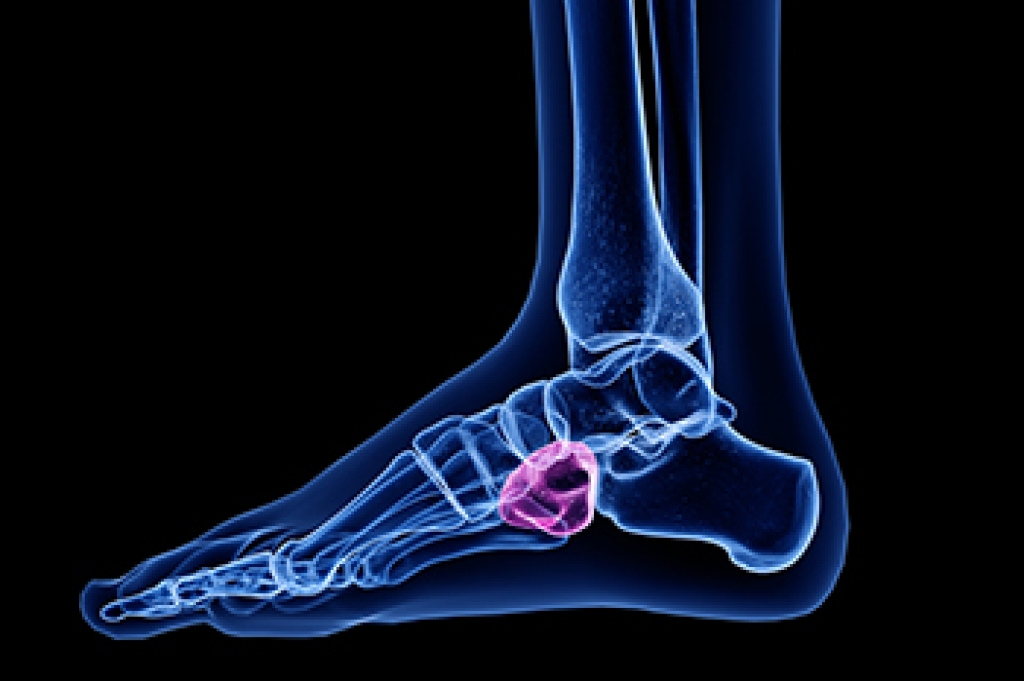
Treating Cuboid Syndrome

There are a number of foot afflictions that can occur when a bone in the foot, no matter how small, dislocates from its proper place. Cuboid syndrome is one such condition. Cuboid syndrome occurs when the cuboid bone, located in front of the ankle, dislocates randomly or in response to some kind of injury. If you have cuboid syndrome, you might experience pain, particularly when participating in weight-bearing activities. Additionally, you might find yourself turning your feet inward when walking if you are suffering from cuboid syndrome. There are several ways in which cuboid syndrome can be treated. Commonly, the cuboid bone can be manipulated back in place by a medical professional. The medical professional might then use tape and custom orthotics to keep the cuboid bone in its proper place. Also, the effects of cuboid syndrome can be addressed with specific massages. For example, deep tissue massages that target the calf muscles can be used on patients to calm the peroneal muscle. As a result, the amount of pressure that your feet place on the cuboid bones can be reduced. If you believe that you might have cuboid syndrome, it is a good idea to reach out to a podiatrist who can help you tackle the problem.

Cuboid syndrome, also known as cuboid subluxation, occurs when the joints and ligaments near the cuboid bone in the foot become torn. If you have cuboid syndrome, consult with one of our podiatrists from Comprehensive Footcare Clinic - Hawaii. Our doctors will assess your condition and provide you with quality foot and ankle treatment.

Cuboid syndrome is a common cause of lateral foot pain, which is pain on the outside of the foot. The condition may happen suddenly due to an ankle sprain, or it may develop slowly overtime from repetitive tension through the bone and surrounding structures.

Causes

The most common causes of cuboid syndrome include:

  • Injury – The most common cause of this ailment is an ankle sprain.
  • Repetitive Strain – Tension placed through the peroneus longus muscle from repetitive activities such as jumping and running may cause excessive traction on the bone causing it to sublux.
  • Altered Foot Biomechanics – Most people suffering from cuboid subluxation have flat feet.

Symptoms

A common symptom of cuboid syndrome is pain along the outside of the foot which can be felt in the ankle and toes. This pain may create walking difficulties and may cause those with the condition to walk with a limp.

Diagnosis

Diagnosis of cuboid syndrome is often difficult, and it is often misdiagnosed. X-rays, MRIs and CT scans often fail to properly show the cuboid subluxation. Although there isn’t a specific test used to diagnose cuboid syndrome, your podiatrist will usually check if pain is felt while pressing firmly on the cuboid bone of your foot.

Treatment

Just as the range of causes varies widely, so do treatments. Some more common treatments are ice therapy, rest, exercise, taping, and orthotics.

If you have any questions, please feel free to contact our office located in Honolulu, HI . We offer the newest diagnostic and treatment technologies for all your foot care needs.

Read more about Cuboid Syndrome

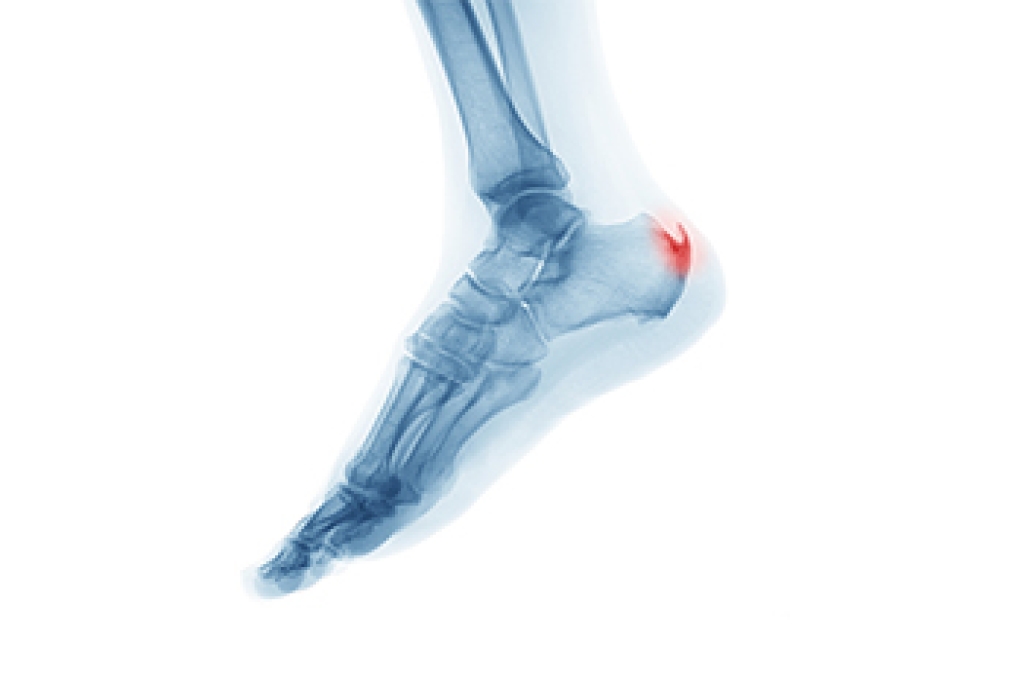
Do I Have a Heel Spur?

A common reason that people can have heel pain may be related to heel spurs. It is defined as a calcium deposit that develops on the bottom of the heel, and sometimes causes severe pain and discomfort. The band of tissue that runs along the sole of the foot is known as the plantar fascia. This helps the foot to withstand daily walking and standing, in addition to supporting the arch of the foot. If it is stretched beyond its limitations from overuse, the body may naturally respond by building extra bone, which is known as a heel spur. Contributing factors that may lead to this condition include wearing shoes that do not fit correctly, obesity, and advanced age. Common symptoms of a heel spur are pain in the bottom of the heel that can worsen while walking or running, and feeling a bump when the heel is touched. Mild relief may come from resting the affected foot as often as possible, and it can help to temporarily cut back on exercise as the foot heals. If you have heel pain, it is strongly suggested to consult with a podiatrist who can properly diagnose and treat heel spurs.

Heel spurs can be incredibly painful and sometimes may make you unable to participate in physical activities. To get medical care for your heel spurs, contact one of our podiatrists from Comprehensive Footcare Clinic - Hawaii. Our doctors will do everything possible to treat your condition.

Heels Spurs

Heel spurs are formed by calcium deposits on the back of the foot where the heel is. This can also be caused by small fragments of bone breaking off one section of the foot, attaching onto the back of the foot. Heel spurs can also be bone growth on the back of the foot and may grow in the direction of the arch of the foot.

Older individuals usually suffer from heel spurs and pain sometimes intensifies with age. One of the main condition's spurs are related to is plantar fasciitis.

Pain

The pain associated with spurs is often because of weight placed on the feet. When someone is walking, their entire weight is concentrated on the feet. Bone spurs then have the tendency to affect other bones and tissues around the foot. As the pain continues, the feet will become tender and sensitive over time.

Treatments

There are many ways to treat heel spurs. If one is suffering from heel spurs in conjunction with pain, there are several methods for healing. Medication, surgery, and herbal care are some options.

If you have any questions, please feel free to contact our office located in Honolulu, HI . We offer the newest diagnostic and treatment technologies for all your foot care needs.
Read more about Heel Spurs

Finding Perfect Shoes

Choosing shoes that are the correct size and fit can prevent unwanted foot injuries and discomfort. Key tips for finding perfect shoes are discussed here. Trace your foot and put the shoe you might buy on top of that tracing to see if it is the right size and shape. Shop for shoes in the afternoon as the foot naturally expands during the day. Wear the same foot coverings to the store that you might wear with the shoes being bought. Have a salesperson measure both feet and go with the size of your larger foot (if one of your feet is larger than the other). While standing, make sure the shoes have enough room in the toe box for the toes to move freely. Walk around in the shoes to make sure they fit properly. Are they wide enough, and not too snug or loose? Choose comfortable shoes by making sure the shoe does not have tags or seams that might irritate the foot or cause friction. Finally, examine the soles of the shoes to make sure they are sturdy and provide enough cushioning. If you are having trouble finding shoes that work well for your feet or are experiencing any kind of foot pain, consult with a podiatrist who can provide insight on shoes to purchase for your feet, as well as treat any foot problems you might have.

It is important to find shoes that fit you properly in order to avoid a variety of different foot problems. For more information about treatment, contact one of our podiatrists from Comprehensive Footcare Clinic - Hawaii. Our doctors will treat your foot and ankle needs.

Proper Shoe Fitting

Shoes have many different functions. They cushion our body weight, protect our feet, and allow us to safely play sports. You should always make sure that the shoes you wear fit you properly in order to avoid injuries and deformities such as: bunions, corns, calluses, hammertoes, plantar fasciitis, stress fractures, and more. It is important to note that although a certain pair of shoes might be a great fit for someone else, that doesn’t mean they will be a great fit for you. This is why you should always try on shoes before buying them to make sure they are worth the investment. Typically, shoes need to be replaced ever six months to one year of regular use.

Tips for Proper Shoe Fitting

  • Select a shoe that is shaped like your foot
  • Don’t buy shoes that fit too tight, expecting them to stretch to fit
  • Make sure there is enough space (3/8” to ½”) for your longest toe at the end of each shoe when you are standing up
  • Walk in the shoes to make sure they fit and feel right
  • Don’t select shoes by the size marked inside the shoe, but by how the shoe fits your foot

The shoes you buy should always feel as good as they look. Shoes that fit properly will last longer, feel better, and improve your way of life each day.

If you have any questions please contact our office located in Honolulu, HI . We offer the newest diagnostic and treatment technologies for all your foot and ankle needs.

Read more about How to Get a Proper Shoe Fit

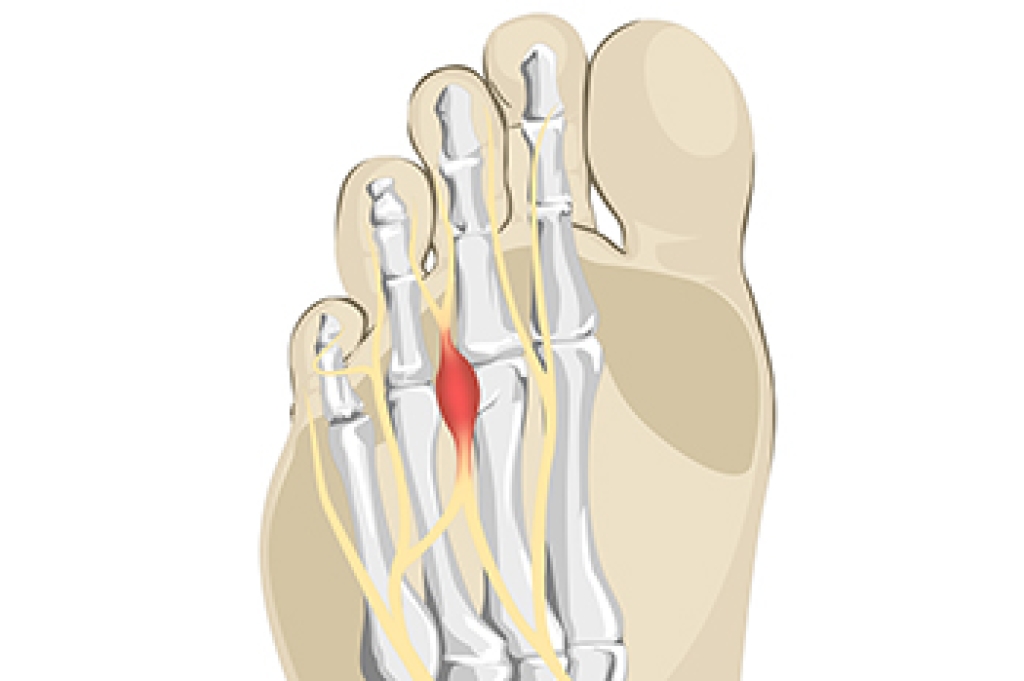
Foods to Eat and Morton’s Neuroma

A neuroma is defined as a tumor or growth. The most common one is known as Morton’s neuroma and it affects the nerves between the third and fourth toes. Research has indicated that it may be beneficial to consume a diet that is healthy for the nerves. This can include eating plenty of fresh fruits and vegetables, whole grains, and lean protein. Additionally, eating foods that are rich in Omega-3 fatty acids may positively affect the nerves. It is helpful to avoid foods and drinks that are made with large amounts of sugar and reducing the amount of alcohol may strengthen the nerves. Relief may be found when wearing comfortable shoes and it is important to refrain from wearing high heels. Some patients choose to wear orthotics and this may lessen the pressure felt from the neuroma. If the neuroma grows in size, surgery may be necessary for permanent removal and lasting comfort. If you have Morton’s neuroma, it is suggested to schedule an appointment with a podiatrist who can diagnose and treat this ailment.

Morton’s neuroma is a very uncomfortable condition to live with. If you think you have Morton’s neuroma, contact one of our podiatrists of Comprehensive Footcare Clinic - Hawaii. Our doctors will attend to all of your foot care needs and answer any of your related questions.  

Morton’s Neuroma

Morton's neuroma is a painful foot condition that commonly affects the areas between the second and third or third and fourth toe, although other areas of the foot are also susceptible. Morton’s neuroma is caused by an inflamed nerve in the foot that is being squeezed and aggravated by surrounding bones.

What Increases the Chances of Having Morton’s Neuroma?

  • Ill-fitting high heels or shoes that add pressure to the toe or foot
  • Jogging, running or any sport that involves constant impact to the foot
  • Flat feet, bunions, and any other foot deformities

Morton’s neuroma is a very treatable condition. Orthotics and shoe inserts can often be used to alleviate the pain on the forefront of the feet. In more severe cases, corticosteroids can also be prescribed. In order to figure out the best treatment for your neuroma, it’s recommended to seek the care of a podiatrist who can diagnose your condition and provide different treatment options.

If you have any questions, please feel free to contact our office located in Honolulu, HI . We offer the newest diagnostic and treatment technologies for all your foot care needs.

Read more about Morton's Neuroma

Connect With Us