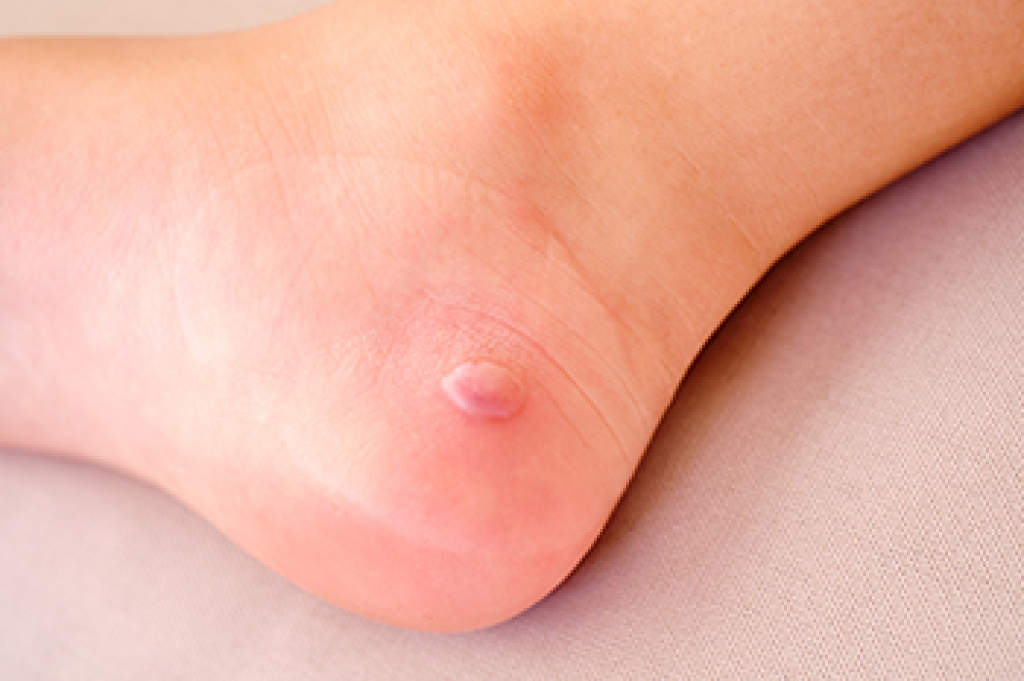
Podiatry Treatment for Foot Blisters

Blisters are small pockets of fluid that form beneath the outer layer of skin. On the feet, they frequently develop when repeated rubbing or pressure damages the skin. Wearing shoes that are too tight or that rub against certain areas of the foot contribute to blister formation. Moisture inside shoes also increases friction against the skin. A blister causes pain, tenderness, and redness around the affected area. Some blisters contain clear fluid, while others contain blood after greater skin damage. Blisters commonly develop on the heels, toes, or sides of the feet. Pain becomes more noticeable when walking because shoes continue rubbing against the irritated area. Although some blisters are minor, larger or painful blisters interfere with normal activities and require professional attention.

A podiatrist examines a blister and determines how seriously the skin has been damaged. An evaluation includes checking the blister's size, location, and surrounding skin. The podiatrist also looks for signs of infection or other problems that could affect healing. Treatment depends on the condition of the blister and what caused it. A podiatrist can safely drain certain painful blisters while protecting the skin covering the affected area. Professional treatment also includes protective padding to reduce pressure and friction. When infection is present, the podiatrist provides appropriate treatment to address it. The feet can also be evaluated for pressure points or structural problems that contribute to repeated blister formation.

Repeated blisters make walking uncomfortable and cause patients to change how they place weight on their feet. These changes create added pressure on other parts of the foot. A podiatrist identifies sources of friction and determines whether shoes are contributing to the problem. Professional care focuses on protecting damaged skin, reducing pressure, and supporting proper foot function. A podiatrist also recommends properly-fitting shoes or custom devices when foot structure contributes to repeated rubbing. Follow-up care helps monitor healing and reduce the chance of complications. If you have developed foot blisters, it is suggested that you schedule an appointment with a podiatrist for effective relief and prevention tips.

Blisters are prone to making everyday activities extremely uncomfortable. If your feet are hurting, contact one of our podiatrists of Comprehensive Footcare Clinic - Hawaii. Our doctors can provide the care you need to keep you pain-free and on your feet.

Foot Blisters

Foot blisters develop as a result of constantly wearing tight or ill-fitting footwear. This happens due to the constant rubbing from the shoe, which can often lead to pain.

What Are Foot Blisters?

A foot blister is a small fluid-filled pocket that forms on the upper-most layer of the skin. Blisters are filled with clear fluid and can lead to blood drainage or pus if the area becomes infected.

How Do Blisters Form?

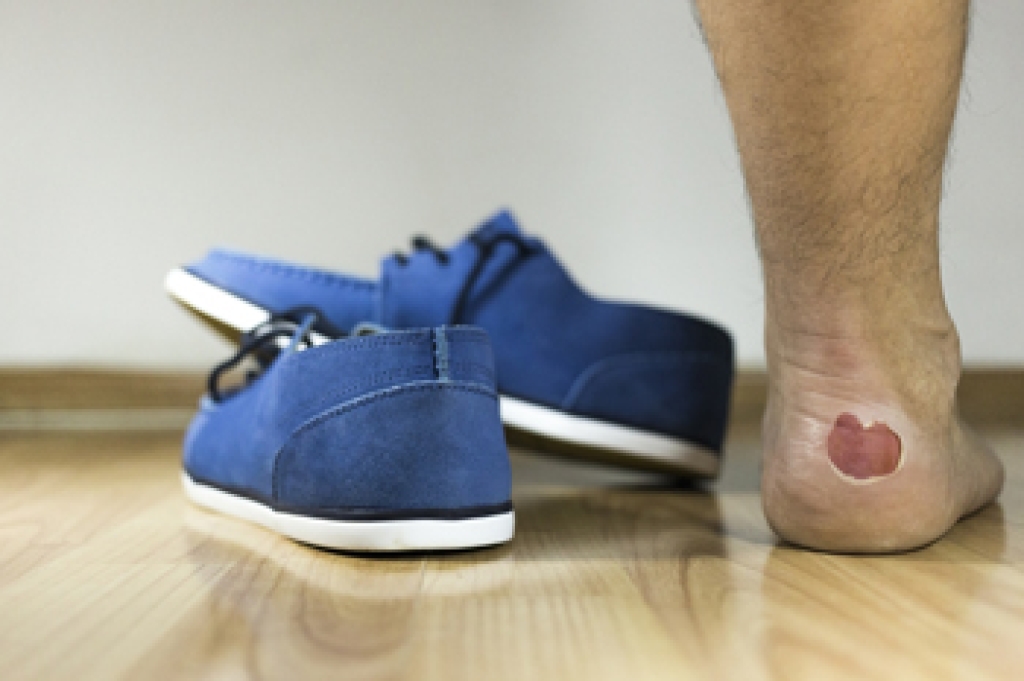
Blisters on the feet are often the result of constant friction of skin and material, usually by shoe rubbing. Walking in sandals, boots, or shoes that don’t fit properly for long periods of time can result in a blister. Having consistent foot moisture and humidity can easily lead to blister formation.

Prevention & Treatment

It is important to properly care for the affected area in order to prevent infection and ease the pain. Do not lance the blister and use a Band-Aid to provide pain relief. Also, be sure to keep your feet dry and wear proper fitting shoes. If you see blood or pus in a blister, seek assistance from a podiatrist.

If you have any questions, please feel free to contact our office located in Honolulu, HI . We offer the newest diagnostic and treatment technologies for all your foot care needs.

Read more about Blisters

Why Gout Often Targets the Big Toe

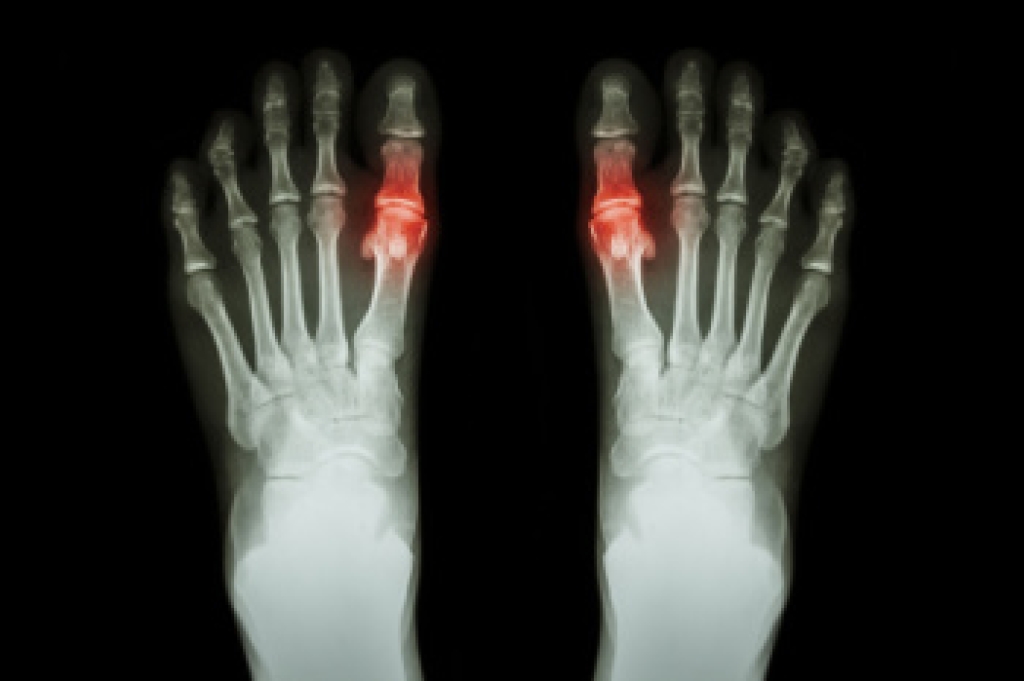
Gout is a form of inflammatory arthritis that develops when uric acid builds up in the body and forms sharp crystals inside a joint. These crystals can trigger sudden and intense inflammation. Gout most often affects the big toe, although it can also develop in other joints. A gout attack may begin quickly and cause severe pain. The affected area can become swollen, red, and extremely tender to touch.

Several factors can increase the risk of developing gout. Genetics can play a role, while certain health conditions may make high uric acid levels more likely. Eating foods high in purines can also contribute because the body breaks purines down into uric acid. Dehydration, excess alcohol, and some medications may increase risk. Men are generally more likely to develop gout earlier in life, while the risk increases for women after menopause.


The big toe is a common location because the joint is relatively cool and exposed to repeated pressure. Uric acid crystals form more easily in cooler areas, making this joint vulnerable. Walking and wearing shoes can also make an inflamed big toe especially painful. During an attack, symptoms include sudden throbbing pain, swelling, and tenderness. Without appropriate management, repeated attacks damage the joint over time.


A podiatrist examines your foot and discusses your symptoms, medical history, and possible triggers. Testing may be recommended to help confirm gout and rule out other causes of joint pain. Treatment options include measures to reduce inflammation and protect the painful joint during an attack. A podiatrist may also recommend footwear changes and strategies that support long-term foot health. If you have gout symptoms, it is suggested that you are under the care of a podiatrist who can help you to manage this painful condition. 

Gout is a foot condition that requires certain treatment and care. If you are seeking treatment, contact one of our podiatrists from Comprehensive Footcare Clinic - Hawaii. Our doctors will treat your foot and ankle needs.

What Is Gout?

Gout is a type of arthritis caused by a buildup of uric acid in the bloodstream. It often develops in the foot, especially the big toe area, although it can manifest in other parts of the body as well. Gout can make walking and standing very painful and is especially common in diabetics and the obese.

People typically get gout because of a poor diet. Genetic predisposition is also a factor. The children of parents who have had gout frequently have a chance of developing it themselves.

Gout can easily be identified by redness and inflammation of the big toe and the surrounding areas of the foot. Other symptoms include extreme fatigue, joint pain, and running high fevers. Sometimes corticosteroid drugs can be prescribed to treat gout, but the best way to combat this disease is to get more exercise and eat a better diet.

If you have any questions, please feel free to contact our office located in Honolulu, HI . We offer the newest diagnostic and treatment technologies for all your foot care needs.
Read more about Everything You Need to Know About Gout

Broken Ankles and Recovery

A broken ankle, also called an ankle fracture, occurs when one or more bones that form the ankle joint break. The injury can range from a simple fracture in one bone to several breaks that make the ankle unstable. Common causes include twisting or rolling the ankle, falling, and experiencing a strong impact during an accident. Symptoms can begin immediately and may include severe pain, swelling, and bruising. Some people cannot place weight on the injured foot. More serious fractures may cause the ankle to appear deformed, especially when the joint has also moved out of its normal position.


Ankle fractures are classified partly by whether the broken bones remain properly aligned. A nondisplaced fracture means the bones have stayed in position. A displaced fracture means the broken pieces have separated. An open fracture occurs when broken bone creates a wound through the skin and requires immediate medical attention because of infection risk. X-rays are commonly used to locate the fracture and determine whether the bones have moved. In some cases, a CT scan can provide more detailed images of the ankle. Treatment depends on the location and severity of the fracture. Stable fractures may be treated without surgery, while unstable or displaced injuries can require surgical repair.


A podiatrist can evaluate a broken ankle and determine the extent of the injury. An examination may include checking the ankle, lower leg, and foot for tenderness or other signs of damage. Imaging can help determine the appropriate treatment plan and monitor bone healing. Recovery varies depending on the fracture, and early bone healing generally takes at least six weeks. Stiffness and swelling may continue for months after the bone has healed. Proper follow-up is important because complications can include bones healing incorrectly or failing to heal completely. Rehabilitation may also be needed to restore ankle movement and function. If you have severe ankle pain or difficulty bearing weight after an injury, it is suggested that you consult a podiatrist for prompt evaluation and appropriate treatment options.

Broken ankles need immediate treatment. If you are seeking treatment, contact one of our podiatrists from Comprehensive Footcare Clinic - Hawaii. Our doctors can provide the care you need to keep you pain-free and on your feet. 

Broken Ankles
A broken ankle is experienced when a person fractures their tibia or fibula in the lower leg and ankle area. Both of these bones are attached at the bottom of the leg and combine to form what we know to be our ankle.

When a physician is referring to a break of the ankle, he or she is usually referring to a break in the area where the tibia and fibula are joined to create our ankle joint. Ankles are more prone to fractures because the ankle is an area that suffers a lot of pressure and stress. There are some obvious signs when a person experiences a fractured ankle, and the following symptoms may be present.

Symptoms of a Fractured Ankle

  • Excessive pain when the area is touched or when any pressure is placed on the ankle
  • Swelling around the area
  • Bruising of the area
  • Area appears to be deformed

If you suspect an ankle fracture, it is recommended to seek treatment as soon as possible. The sooner you have your podiatrist diagnose the fracture, the quicker you’ll be on the way towards recovery.

If you have any questions, please feel free to contact our office located in Honolulu, HI . We offer the newest diagnostic and treatment technologies for all your foot care needs.

Read more about Broken Ankle Causes, Differences, Symptoms and Treatments

Foot Blisters and Their Causes

A foot blister is a small pocket of fluid that forms between layers of skin after irritation or injury. Blisters commonly develop on the heels, toes, or soles when repeated rubbing damages the skin. They can make walking uncomfortable. Although friction from shoes is common, blisters can also develop after burns, contact dermatitis, or insect bites. Knowing the cause can help protect your feet. Early care can protect damaged skin.

Friction is more likely when shoes are too tight, too loose, or poorly fitted. Heat and moisture can increase irritation. Burns may cause blisters after contact with hot surfaces or liquids. Contact dermatitis can trigger itching, redness, and fluid-filled areas after exposure to an irritating substance. An allergic reaction may cause swelling and itchy blisters. Insect bites can also produce localized swelling and blistering. Sensitive skin and sweaty feet may increase risk. 

Symptoms depend on the cause, but often include a raised area filled with clear fluid, tenderness, or itching. Pressure can increase pain. If the skin breaks, bacteria can enter and cause infection. A podiatrist can examine the blister and surrounding skin to identify the likely cause. Treatment may include protecting the area with a dressing, reducing pressure, and carefully draining a large or painful blister, when appropriate. Footwear changes may prevent recurrence. The exam can also check early for infection.

Do not intentionally pop a blister unless a podiatrist recommends it. Keep the area clean and protected while it heals. Seek prompt medical attention for spreading redness, warmth, or fever because these symptoms may indicate infection. Persistent blisters may need evaluation. If you have frequent or painful blisters on your feet, it is suggested that you consult a podiatrist for effective relief and management tips.

Blisters may appear as a single bubble or in a cluster. They can cause a lot of pain and may be filled with pus, blood, or watery serum. If your feet are hurting, contact one of our podiatrists of Comprehensive Footcare Clinic - Hawaii. Our doctors can provide the care you need to keep you pain-free and on your feet.

Foot Blisters

Foot blisters are often the result of friction. This happens due to the constant rubbing from shoes, which can lead to pain.

What Are Foot Blisters?

A foot blister is a small fluid-filled pocket that forms on the upper-most layer of the skin. Blisters are filled with clear fluid and can lead to blood drainage or pus if the area becomes infected.

Symptoms

(Blister symptoms may vary depending on what is causing them)

  • Bubble of skin filled with fluid
  • Redness
  • Moderate to severe pain
  • Itching

Prevention & Treatment

In order to prevent blisters, you should be sure to wear comfortable shoes with socks that cushion your feet and absorb sweat. Breaking a blister open may increase your chances of developing an infection. However, if your blister breaks, you should wash the area with soap and water immediately and then apply a bandage to the affected area. If your blisters cause severe pain it is important that you call your podiatrist right away.

If you have any questions, please feel free to contact our office located in Honolulu, HI . We offer the newest diagnostic and treatment technologies for all your foot care needs.

Read more about Blisters

It's Time for Beautiful Feet

You don't need an excuse to have beautiful nails. Step outside without worrying about the appearance of your feet.

Connect With Us