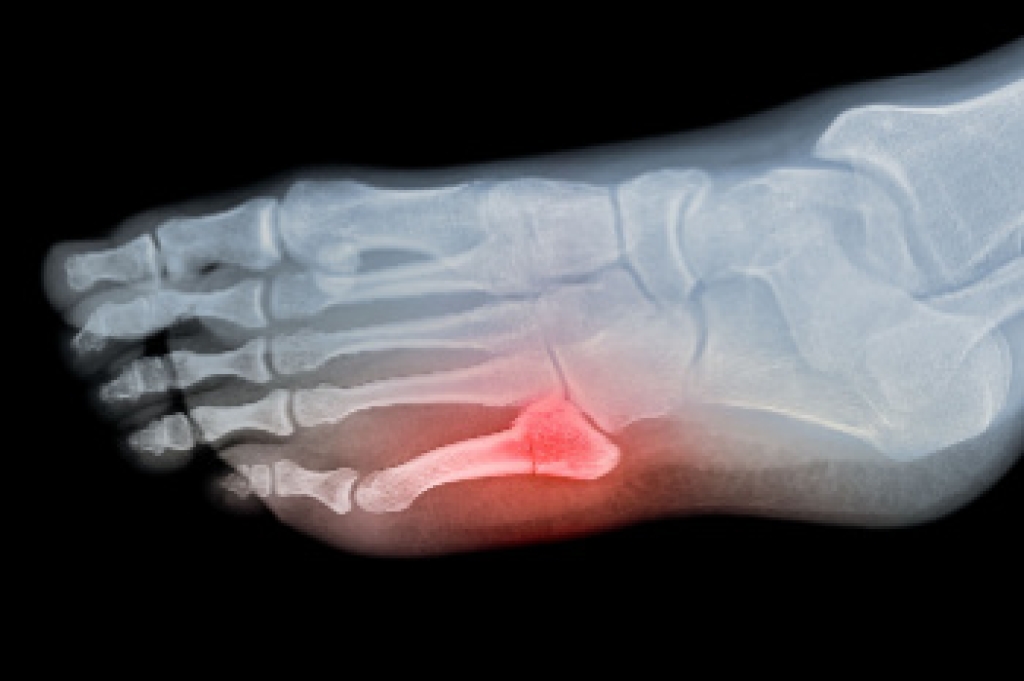
Why Diabetes Can Quietly Damage Your Feet

Diabetes can affect the feet in ways that are easy to miss at first. High blood sugar over time can damage nerves, a condition called diabetic neuropathy. This may cause numbness, tingling, or burning pain, and small injuries may go unnoticed. Diabetes can also reduce blood flow to the feet, slowing healing and increasing the risk of infection. Even a minor cut or blister can develop into a serious wound. Skin changes are also common. The feet may become dry and cracked, creating openings for bacteria. Toenails may thicken, and foot shape can change, leading to pressure points and ulcers. Without proper care, these issues can lead to long-term complications. Daily foot checks, wearing proper footwear, and regular podiatric care are important. If you have diabetes and notice changes in your feet, it is suggested that you are under the care of a podiatrist who can help you to manage this serious condition.

Diabetic foot care is important in preventing foot ailments such as ulcers. If you are suffering from diabetes or have any other concerns about your feet, contact one of our podiatrists from Comprehensive Footcare Clinic - Hawaii. Our doctors can provide the care you need to keep you pain-free and on your feet.

Diabetic Foot Care

Diabetes affects millions of people every year. The condition can damage blood vessels in many parts of the body, especially the feet. Because of this, taking care of your feet is essential if you have diabetes, and having a podiatrist help monitor your foot health is highly recommended.

The Importance of Caring for Your Feet

  • Routinely inspect your feet for bruises or sores.
  • Wear socks that fit your feet comfortably.
  • Wear comfortable shoes that provide adequate support.

Patients with diabetes should have their doctor monitor their blood levels, as blood sugar levels play such a huge role in diabetic care. Monitoring these levels on a regular basis is highly advised.

It is always best to inform your healthcare professional of any concerns you may have regarding your feet, especially for diabetic patients. Early treatment and routine foot examinations are keys to maintaining proper health, especially because severe complications can arise if proper treatment is not applied.

If you have any questions, please feel free to contact our office located in Honolulu, HI . We offer the newest diagnostic and treatment technologies for all your foot care needs.

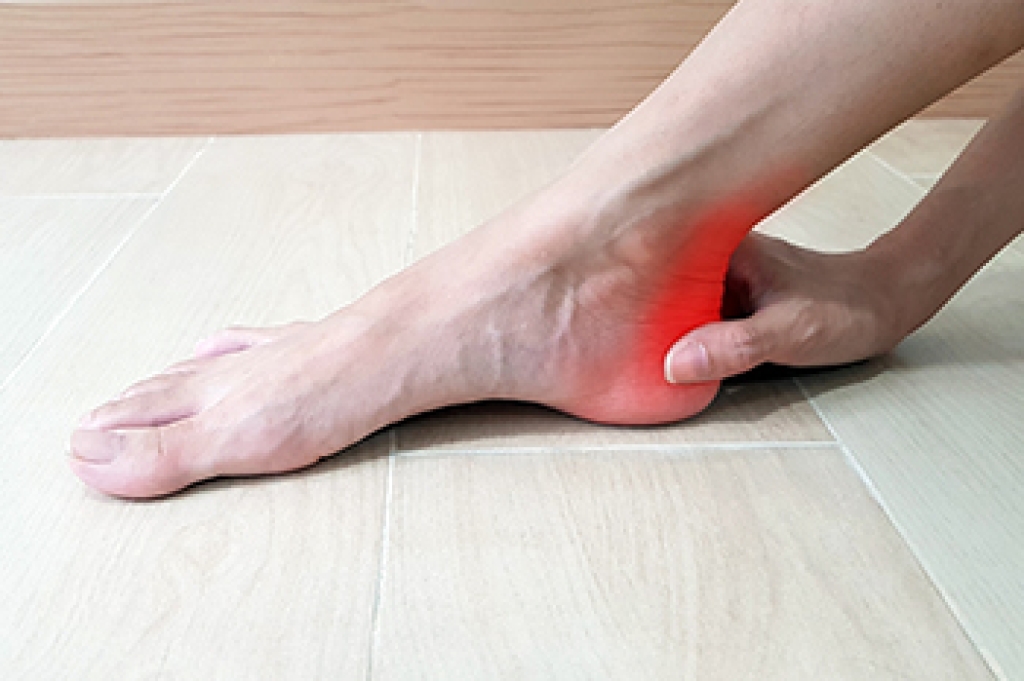
Read more about Diabetic Foot Conditions

Exercises That Help Support Flexible Flat Feet

Flexible flat feet occur when the arch of the foot appears normal while sitting, but flattens when standing or walking. This type of foot structure can place extra strain on muscles, tendons, and ligaments that support the arch. Strengthening the small muscles of the feet and ankles may help improve alignment and stability. One helpful exercise is the towel curl. Place a towel on the floor and use your toes to slowly scrunch it toward you while keeping the heel on the ground. Another effective movement is the short foot exercise, which gently lifts the arch by drawing the ball of the foot toward the heel without curling the toes. Calf stretching is also beneficial because tight calf muscles can affect foot mechanics. Practicing these exercises regularly may support better foot function, over time. If flat feet cause pain or difficulty with activity, it is suggested that you see a podiatrist for relief strategies.

Exercising your feet regularly with the proper foot wear is a great way to prevent injuries and build strength. If you have any concerns about your feet, contact one of our podiatrists from Comprehensive Footcare Clinic - Hawaii. Our doctors can provide the care you need to keep you pain-free and on your feet.

Exercise for Your Feet

Exercise for your feet can help you gain strength, mobility and flexibility in your feet. They say that strengthening your feet can be just as rewarding as strengthening another part of the body. Your feet are very important, and we often forget about them in our daily tasks. But it is because of our feet that are we able to get going and do what we need to. For those of us fortunate enough to not have any foot problems, it is an important gesture to take care of them to ensure good health in the long run.

Some foot health exercises can include ankle pumps, tip-toeing, toe rises, lifting off the floor doing reps and sets, and flexing the toes. It is best to speak with Our doctors to determine an appropriate regimen for your needs. Everyone’s needs and bodies are different, and the activities required to maintain strength in the feet vary from individual to individual. 

Once you get into a routine of doing regular exercise, you may notice a difference in your feet and how strong they may become.

If you have any questions, please feel free to contact our office located in Honolulu, HI . We offer the newest diagnostic and treatment technologies for all your foot care needs.

Read more about Exercise for Your Feet

How Certain Genetic Conditions Can Affect the Feet

Some genetic disorders can influence the way bones, joints, and connective tissues develop in the feet. Because the feet contain many small bones and joints, inherited conditions may change their shape, alignment, or flexibility. Achondroplasia, a common form of dwarfism, affects bone growth and may lead to changes in leg alignment that place extra stress on the feet and ankles during walking. Ellis van Creveld syndrome is a rare genetic condition that can cause short limbs and sometimes extra toes, which may affect balance and shoe fit. Marfan syndrome affects the body’s connective tissue and often leads to long, flexible feet with loose joints that can increase the risk of ankle instability. These structural differences may lead to discomfort, fatigue, or changes in walking over time. When unusual foot structure or persistent pain develops, it is suggested that you see a podiatrist for a proper diagnosis and appropriate treatment.

Some foot conditions may require additional professional care. If you have any concerns, contact one of our podiatrists of Comprehensive Footcare Clinic - Hawaii. Our doctors can provide the care you need to keep you pain-free and on your feet.

Rare Foot Conditions

The majority of foot conditions are common and can be treated by a podiatrist.  Standard diagnostic procedures are generally used to identify specific conditions and treatment can be rendered. A podiatrist also treats rare foot conditions which can be difficult to diagnose and may need extra attention and care. 

There are many rare foot conditions that can affect children. Some of these can include:

  • Freiberg’s disease
  • Kohler’s disease
  • Maffucci syndrome

Freiberg’s disease - This can be seen as a deterioration and flattening of a metatarsal bone that exists in the ball of the foot. It typically affects pre-teen and teenage girls, but can affect anyone at any age. Symptoms that can accompany this can be swelling, stiffness, and the patient may limp. 

Kohler’s disease - This often targets the bone in the arch of the foot and affects younger boys. It can lead to an interruption of the blood supply which ultimately can lead to bone deterioration. The patient may limp or experience tenderness, swelling, and redness.

Maffucci syndrome - This affects the long bones in a child’s foot leading to the development of abnormal bone lesions. They are benign growths and typically develop in early childhood and the bones may be susceptible to breaking. 

A podiatrist can properly diagnose and treat all types of rare foot conditions. If your child is affected by any of these symptoms or conditions, please don’t hesitate to call our office so the correct treatment method can begin.

If you have any questions, please feel free to contact our office located in Honolulu, HI . We offer the newest diagnostic and treatment technologies for all your foot care needs.

Read more about Rare Foot Conditions

When the Talus Bone Is Fractured

A fractured talus can cause intense ankle pain, swelling, and difficulty walking because this bone connects the leg to the foot and helps control movement. It supports the ankle joint and the subtalar joint, which is located below the ankle and allows the foot to move side to side on uneven surfaces. The injury often follows a strong impact like a fall, and people may notice bruising, stiffness, and trouble moving the ankle or toes. A podiatrist can evaluate foot stability, check circulation and nerve response, and order imaging to see whether the bone has shifted. A stable fracture can be managed with a cast to limit motion, while a displaced fracture can require surgery to realign the bone. Without proper healing, arthritis can develop or the bone can heal in the wrong position. If you have symptoms of a talus fracture, it is suggested that you make an appointment with a podiatrist for a diagnosis and options for treatment.

test

Read more about All About Broken Ankles

Get Professional Care for a Broken Foot or Ankle

Constant care and regular evaluation are important for a foot or ankle fracture. If left untreated, foot or ankle fractures can worsen over time and create more serious problems.

Don't wait to be examined if you believe you've experienced a foot or ankle fracture.

Connect With Us